My Grandfather: A mid20th century surgeon seen from the perspective of an early 21st-century surgeon
It is the 104th birth anniversary of my grandfather Dr Narsinha Ramchandra Pathak. Born in Wai on 30th September 1915 he went on to become a doctor, social worker, and politician. On his birthday I wish to focus only on his life as a surgeon. While most people appreciate him for his social work and political work, his work as a surgeon is also awe-inspiring.
Becoming a doctor: a blessing in disguise
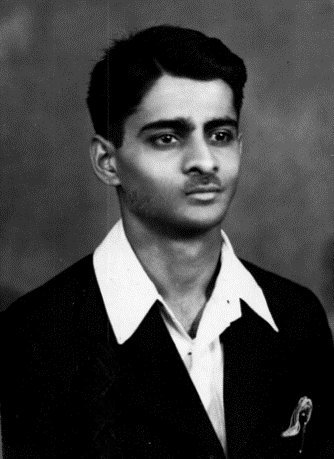
At 19 young Narsinha, as a first-year Bachelor of Science student at Willingdon College Sangli, had dreamt of following the footsteps of his eldest brother Gangadhar to become an engineer. Gangadhar Pathak was a mechanical engineering student who had unfortunately passed away without completing the course because of typhoid. But destiny had some different plans.
One day, his elder brother Balakrishna called him to Mahabaleshwar from Miraj at once. Balkrishna was the personal secretary to the chief of Miraj Senior Shrimant Raje Sir Ganagadharrao Balasaheb. Every summer the chief with his entourage would be in Mahabaleshwar. The Rajesaheb ordered him to join the Miraj Medical School. The Miraj Medical School was started in the 1890s by the great Canadian surgeon Sir William Wanless. The teaching hospital of the school was The Mission Hospital Miraj. The chief of Miraj Senior State wanted him to join the state-run hospital as a state medical officer in future.
Back in the day, there were two types of modern medical educational systems, unlike today. The schools would produce Licentiates of Medicine & Surgery. The LCPS holders could practice medicine and surgery at par with MBBS, but to become a medical teacher one had to complete an MBBS degree. MBBS was offered only by Medical colleges. Medical colleges were very few in number. Even The BJ Medical College Pune was a school then. For a student coming from a princely state area, unlike a directly British-ruled area, getting admission to a medical college was almost impossible. There were two types of licentiates then: LCPS and LMS. For the area under Bombay University, the College of Physicians and Surgeons offered LCPS.
There was no question of saying no to the Rajesaheb and he joined the Miraj Medical School.
At the Miraj Medical School
He studied there from 1935 to 1940 and passed the Licentiate exam of the College of Physicians and Surgeons of Bombay (LCPS).
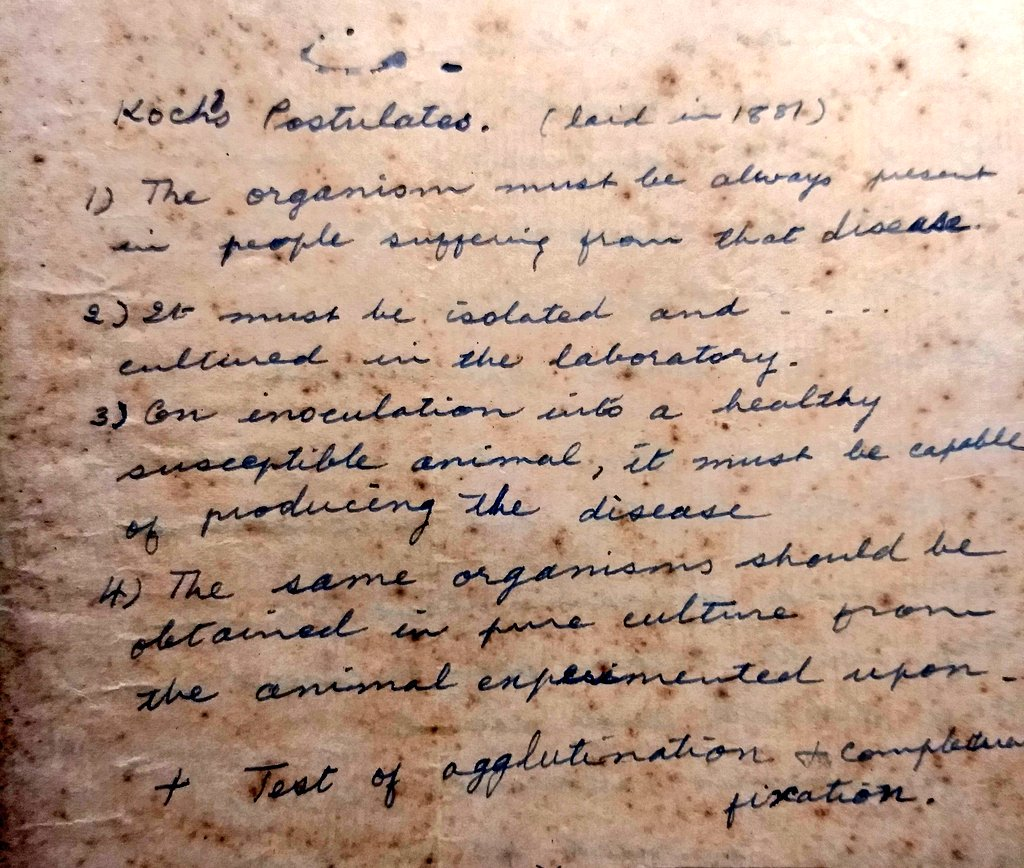
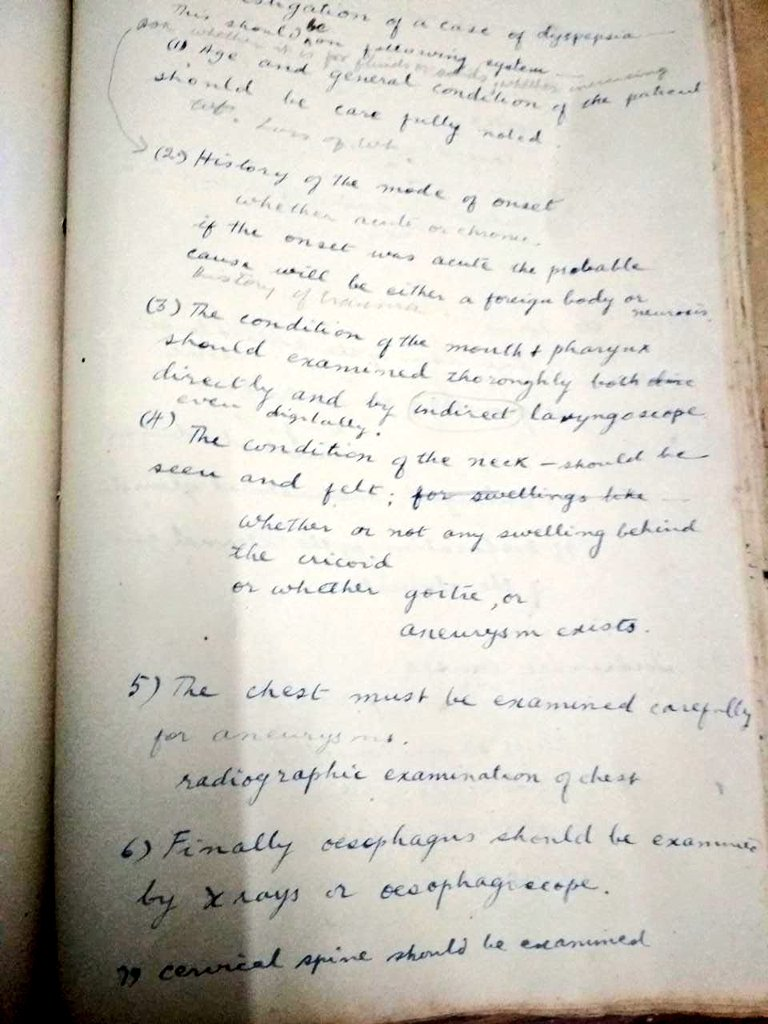
He had preserved some of the notes of that time. It is really noticeable how meticulous the students were in taking notes.
Training of a young surgeon at Mission Hospital Miraj
In 1941 he had completed the internship and did a medical officership for 1 year. A diary from those days is available which reveals a lot about the scope of the internship. The interns of the Mission Hospital got to do a lot of hands-on work in contrast to the present-day interns. His internship completion certificate next to mine gives a fair comparison of the changed internship scenario then and now.
Two internship completion certificates one of 1941 and the other 2004. The 1 year duration remains the same but distribution and grouping of specialities is markedly different #MedEd pic.twitter.com/k1sFauAP9D
— Sudhanwa Pathak MBBS (@pathaksudh) June 21, 2018
The 1941 stint as a medical officer at the Mission Hospital Miraj was the period that was the teething period of his surgical training. He worked under 2 great surgeons of that time. Dr S. D. Arawattigi and Dr D. P. Gorde.
Dr S. D. Arawattigi was a highly-skilled surgeon. He was trained at the Mission Hospital Miraj (LCPS in 1928) and had worked extensively with Dr Charles Vail MD FACS DO. Dr Charles Vail was a prolific surgeon who migrated from Princeton to Miraj. He was the next director after Dr Wanless of this institute. In the future, Dr S. D. Arawattigi would name his private hospital as The Vail Memorial Hospital. Though Dr Arawattagi was the head of Obstetrics and Gynaecology, he looked after general surgery too. The amount of experience he had as a general surgeon reflects well through this paper on right hemicolectomy. This paper was published in the Indian Medical Gazette in 1944.
Dr D. P. Gorde got trained at the Medical School of Poona (LCPS 1931). He joined the Mission Hospital Miraj in 1932. He was made the head of the Otolaryngology and Ophthalmology department in 1936. In a few years he developed this department working devotedly. He had started his own unique technique of keratoplasty. He was also a master at ENT operations. The mastoidectomy was his favourite surgery. He went on to become the first Indian director of the Mission Hospital. When Dr N. R. Pathak was working with him, he happened to be the president of the Miraj Municipality. This kept him busy often and gave a lot of opportunities to his young apprentice.
The batch photo seems to be an old tradition of doctors. Sharing group pic of my grandfather's(1st pic middle row second from left) batch during internship circa 1940-41. It was a time when both medical schools : (LCPS) & colleges (MBBS) coexisted in India.
— Sudhanwa Pathak MBBS (@pathaksudh) May 15, 2023
Miraj Medical School. pic.twitter.com/CXVxBk3Go6
Dr. Gorde went on to become the director of the Mission Hospital and his article on the history of the Mission Hospital is quite informative.
The one year after internship he spent with his these two mentors explains two things 1) adequate knowledge about obstetrics 2)keen interest in ophthalmolgy.
At Karnataka Health Institute
In 1942, He went to Hukkeri Road ( Now Ghataprabha) and joined the Karnataka Health Institute as a medical officer. He worked there for a year and a half.
At KHI, Dr N. R. Pathak was trained by Dr N. S. Hardikar and Dr G. R. Kokatnur. Dr N. S. Hardikar studied medicine had licentiate from Kolkata and had done Masters in Public Health from Michigan. Dr G. R. Kokatnur was an America-trained surgeon. Both of them were cofounders of that institute. Both of them hardcore patriots came back to India to give back to their country.
The institute then was a busy sanatorium for tuberculosis and also treated all sorts of ailments.
Working in KHI was in a way giving a glimpse of the type of practice he was going to do in Miraj in future. Perhaps it must have shaped his sense of social responsiblity too. In the 1940s the specialization in Medicine/surgery was thing restricted only to the metropolitan cities. In the mofussil and peripheral centres, a single doctor had no option but to be an institute himself. He would be all: a physician, surgeon and obstetrician as well. This is quite unimaginable in today’s medical scene in India where the students and patients are too much fixated with the idea of ‘super-speciality’.
An ophthalmic surgeon, trained well but sans a degree
In 1943 he went to the Grant Medical College, Bombay. There he registered for Diploma in Ophthalmology. Coming back to LCPS vs MBBS here : LCPS doctors would be admitted only for diplomas as they are non-teaching posts while MBBS was required for PG degree MD/MS. His work at the JJ Hospital and Grant Medical College made him a trained ophthalmologist. He pursued the course till the exam and when he was about to appear for the exam. He was urgently called back to Miraj. As he was a bonded candidate of the state of Miraj, he had no option. The Miraj State was in dire need of a medical officer. But his love for ophthalmology and cataract surgery never abated. From 1952 to 1968 every month of May he conducted cataract surgeries free of cost. He also attended ophthalmic conferences.
Back to Miraj
1945 He joined as the Assistant Medical Officer to the state-run Hospital of Miraj Senior. Dr K. G. Gosavi LCPS was the chief medical officer then. Dr K. G. Gosavi was impressed with him and gave him the liberty to operate independently. A year as the assistant medical officer of the Miraj Senior state taught him a lot in terms of practical knowledge. Soon his reputation as a capable physician and surgeon began to rise. He started his private setup in 1946 and which was named Pathak Hospital.
During 1946-47 he would assist his teachers Dr D. P. Gorde and Dr S. D. Arawattigi again when required. But soon he got too busy with his private practice.
The busy surgeon who self-learnt and improved
By the late 1950s, his practice had risen a lot and he was a busy practitioner with his own 80-bedded indoor setup and used to carry around 5 to 7 operations daily. The operations included all specialties including urology, general surgery and obstetrics. Every Sunday he used to visit Kolhapur a city 50km away from Miraj for outpatient services. Soon he started a dispensary in Jaysingpur a town situated 12km from Miraj.
In the 1950s he started blood transfusion services. The records in the Pathak Hospital archives show many records of blood transfusions during that period. Also, he started developing a pathology collection with jarred and mounted specimens of all varieties and histopathology slides. Unfortunately in his later days, due to too much occupation with politics, the upkeep of the specimens was neglected and most of them are lost now.
In the late 1950s and 60s, he travelled to many places all over the world. Whenever he was abroad he made a point to visit prominent medical centres. Some of the consultants he befriended during those visits, later also used to exchange letters and papers over clinical management. One of the high points of his surgical career was when he presented a case of stomach trichobezoar in the plenary session of the first Afro-Asian Medical Conference in Cairo in 1964. If we go through the details of that paper. It shows that he had adequate anaesthesia equipment to carry out major abdominal surgery. He employed routine laboratory methods and he was very meticulous about record keeping.
Well-equipped operation theatre
The OT equipment he left behind tells us about the range of operations he did
1. Complete cataract operation set, ophthalmoscope ( It was tested by his ophthalmologist granddaughter and found working)
2. Rigid bronchoscope and oesophagoscope
3. A hydraulic OT table purchased in 1950, though not used now, is still in working condition
4. Hudson’s brace and set of burrs
5. Complete set of dentistry forceps
6. Bone nibblers, elevators, Gigli saw Handles, fracture table
7. Boyle’s apparatus Manufactured in 1958, retired now but is still functioning
8. Electric sucker manufactured in 1957, not used now but is still functioning.
9. Thoracotomy set: won’t be purchased unless one does these types of surgeries.
10. Desjardin’s forceps: definitely very specific for CBD stones
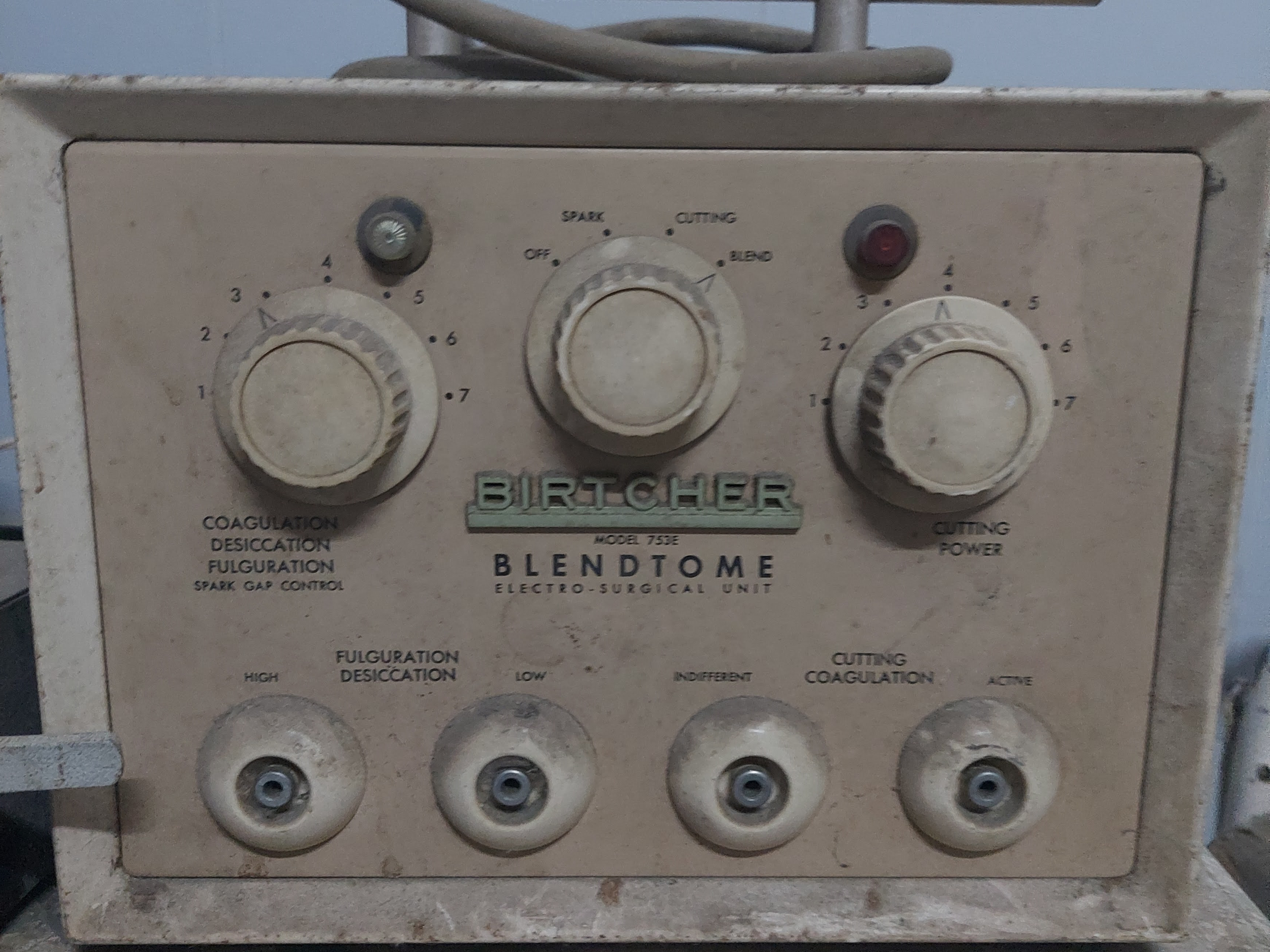
11. An electrosurgical unit (ESU) by Birtcher : In those days using ESU was rare
Training the staff
He was always a team man leading from the front. He rotated his employees in all departments so a single individual is capable of doing most of the essential things and later on specialise in one so that even if somebody is absent the work is not stopped.
Very supportive family….
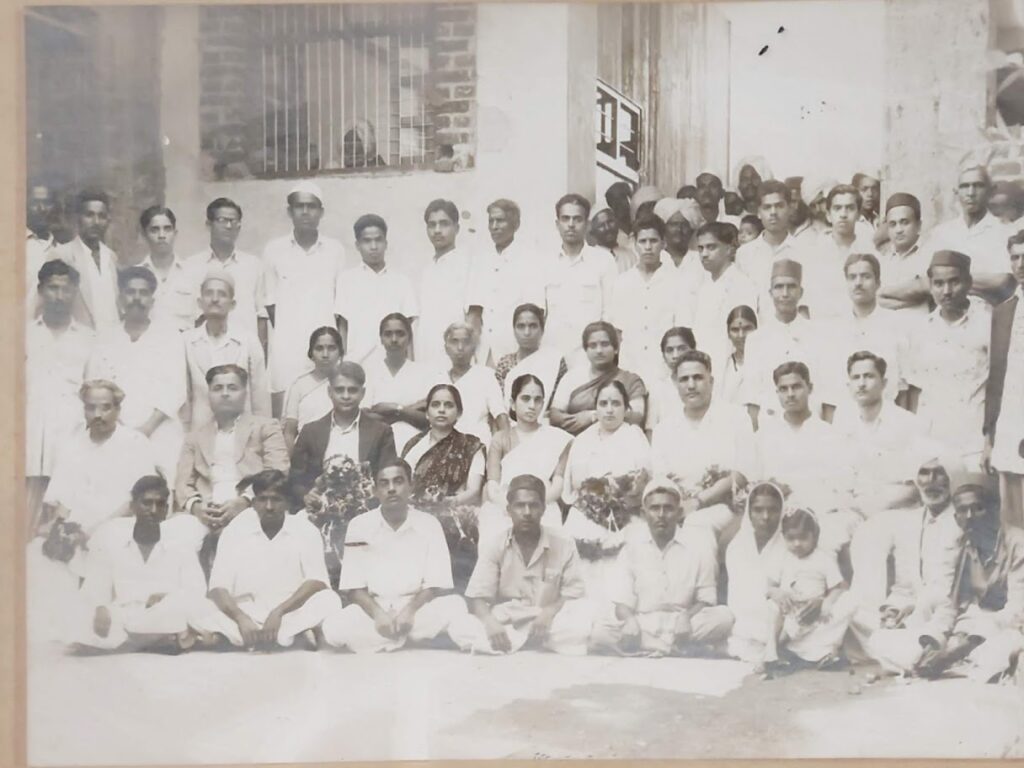
His mother Shrimati Seetabai, always encouraged him. She had good midwifery skills hence could personally help him conduct deliveries before he recruited and trained nurses.
His wife Mrs Vimalbai Pathak used to manage the store and housekeeping of the hospital and duty roaster of staff.
His elder brother Mr. B. R. Pathak, who was a Police Inspector resigned from his job to become a full-time administrator of all his ventures including the hospital, and orphanage. Later he managed his election campaigns too.
Mrs. Indirabai wife of Mr. B. R. Pathak used to manage the house and kitchen of anathashram as well.
This invaluable family support kept him completely unbridled with other jobs and he could soak in the clinical job all the while during the first two decades of the practice.
It was in the latter half of the 1960s that he entered politics formally. After entering politics, he lost a big chunk of his surgical practice and in 1978, when he quit active politics, he had to start again from scratch.
While busy in politics he had to rely on the surgical services of other surgeons and he could provide hardly any time for surgery. It was his inspiration that made 4 of his 5 children take up medicine. The eldest daughter worked in a village as a general practitioner for 40 years and now is retired, the second daughter is a gynaecologist and is involved in epidemiological research also. Both of them are GMC Miraj alumni and were trained in the same hospital as Dr NRP, the Wanless hospital. He was joined by his son and youngest daughter in 1980 both MS from LTMMC and BJMC respectively.
Nostalgia associated with the tradition
I listened to many anecdotes of him as a child from his colleagues and the older staff of our hospital. But as I grew up and became a surgeon, I started to appreciate his surgical achievements even more.
That OT table mentioned above and Boyl’s Apparatus are replaced with motorised adjustable tables and anaesthesia workstation. The big old 15-foot high operation ‘theatre’ with a viewing gallery built by him is now modified by my parents to 2 smaller operation ‘rooms’ updated as with need of the times with air-conditioning, now having a false ceiling 10ft high and with air filters. Still operating at the same place where my grandfather operated once is always a special feeling for me. The same OT complex is being used by 3 successive generations of surgeons! (The Vail Memorial Hospital Miraj of Dr Arawattigi is the only other hospital where my grandfather, my father and myself have operated.)
Many of the needle holders or artery forceps my parents or I use today were used by my grandfather once.
Being the third-generation surgeon in the family is a great privilege that I am fortunate to enjoy. But it is a great responsibility as well.
I was not fortunate enough to have enough of him, he passed away when I was barely four years old and I have barely a fading memory of him. But somehow I feel his presence through the underscores he made in the books of his library. He used to have an eosin pencil and selectively underscore important things but very sparingly. Our library of Pathak Hospital is the place where I can sense his memories.
My impressions of my grandfather through a newer generation surgeon’s perspective
I joined the medical college in 1999 and joined Pathak Hospital in 2014 after 15 years. (After 15 years after joining Medical school Dr NRP had already established his own hospital). I restrict myself to only a particular subset of surgeries. (Dr N. R. Pathak could do a hysterectomy to cataract everything because he was the only treatment option available for the patient). In the 21st century when you have a specialization, and subspecialization, people doing more and more of a restricted subset and having many people excelling in small subsets has certainly helped the medical field reach new horizons.
In contrast to this, my grandfather was a mid-20th-century surgeon who worked at very high-volume centres where there was a paucity of trained doctors. His teachers were the masters in the field. That exposed him to many cases at a young age and could progress. He was trained in an era where a doctor had to multitask and play the role of all specialists.
Surgery is a branch where there is theory as well as manual dexterity both matter. Unless the trainee is exposed to an adequate volume, it is difficult to attain skills. Because of high volumes and paucity of working hands, the surgical training my grandfather underwent was less structured than what my father or aunt who are also surgeons underwent. The surgical training for my generation is structurally not very different from my parent’s generation but it has become lengthy. In my grandfather’s time, he was operating as an independent surgeon barely two years after graduating, it became 4 to 5 in my parent’s generation and now for speciality, it is 6 years and superspeciality 9 years after graduating for an average student.
In a structured programme, the trainee is guaranteed a certain skill set. But in places where there is no such thing, it depends a lot on the trainee himself/herself. It takes a lot of guts and a definitive skillset to progress without a structured programme in so many domains of surgery. One cannot just read a book, go out to the OT and do an operation. One has to be thoroughly prepared.
I jotted down the following points that made him what he was
- The basic surgical skills he possessed must be superior to average.
- He was trained by high-volume surgeons at high-volume centres with exposure to all domains of surgery hence he could acquire these in a shorter period.
- In-depth knowledge about the anatomy of the part being operated and what to do.
- The library is testimony to this process he underwent. It has multiple editions of Operative surgery text. Most of them are underscored with his favourite eosin (a hue of red) pencil.
- Knowing the possible complications that can arise and having a plan ready for each of them if they arise. This is not merely possessing knowledge but also requires the gifted skill of presence of mind. The use of a myoma screw to deliver a trichobezoar was ingenious and a testimony to his presence of mind.
- Have state-of-the-art equipment, and train the staff to manage them.
- Most important: The patient must have faith in you that you can do it successfully and consent ( this cannot be earned overnight)
It says volumes about the quality of training he got at his medical school and self-learning in his own capacity as well.
Conclusion
The take-homes I draw from my grandfather’s career as a surgeon especially the way he trained himself, are,
- Always be observant. Every small thing you do in daily practice might teach you something
- Reading keeps oneself updated, and as a clinician, it’s our obligation.
- The basic qualification is a must but not sufficient, importantly challenging and reinventing oneself keeps us on our toes.
- Empathy and patient safety are always important.
- Imbibe the extra-academic good qualities of your mentors too.
- The missionary zeal he imbibed in the Miraj Medical school helped him to establish Pathak Trust and Anathashram.
- The political activism of Dr D. P. Gorde, Dr Hardikar
- Work in a cohesive team.
Dr Sudhanwa R. Pathak
Miraj
Written on 30 Sept 2019
Edited and revised on 30 Sept 2023
thanks
Very informative and aptly written about a legendary surgeon